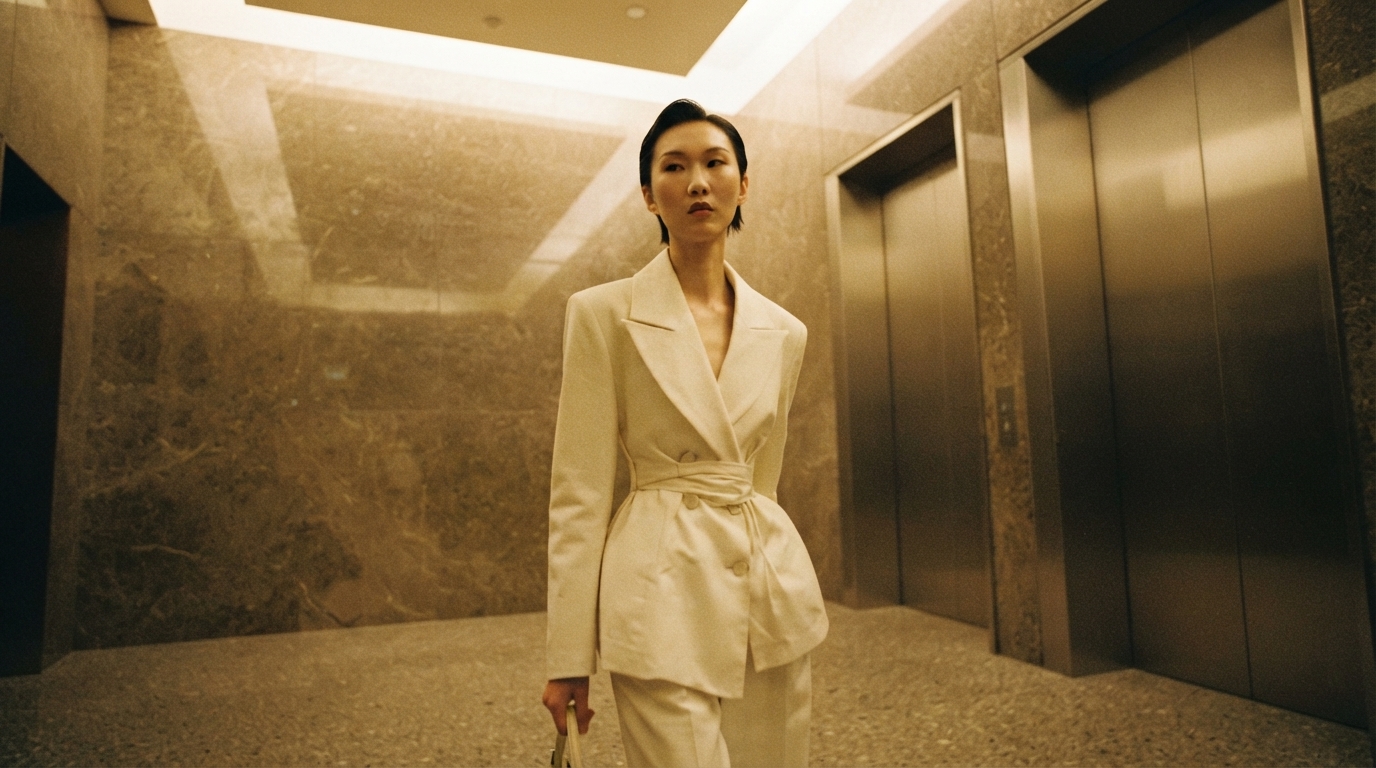
A recognizable style isn’t about owning more clothes—it’s about clarity. When outfits consistently reflect the same mood, shapes, and details, getting dressed becomes faster, shopping gets easier, and compliments start sounding more specific (“That’s so you”). Use the steps below to define your fashion identity, choose repeatable outfit formulas, and lock in a signature look that still feels flexible for real life.
A recognizable style is a consistent visual story: repeating silhouettes, colors, textures, and accessories that create a cohesive impression over time. It isn’t a uniform; it’s a set of guardrails that make outfits feel like they belong to the same person.
Most “signature style” looks are built from just 3–5 recurring elements (for example: a monochrome palette, tailored lines, and gold jewelry). The payoff is practical: fewer outfit regrets, fewer random purchases, and more outfits that look intentional without requiring extra effort.
There’s also a mindset benefit to consistency. Research on clothing and perception suggests what you wear influences impressions and even how you feel in a role—often called “enclothed cognition.” You can explore the research in Adam & Galinsky (2012) and a broader review on appearance and consumer behavior here: The Psychology of Dress.
Start by deciding how you want outfits to feel—then build backward. Pick 3 identity words that match your real life (not an imaginary lifestyle). Examples: polished, artistic, relaxed; minimal, bold, feminine; sporty, clean, modern.
Next, list 3 “never again” frustrations. These are the things that silently sabotage your wardrobe: itchy fabrics, fussy care labels, waistbands that pinch, shoes that hurt, or colors that wash you out. Then choose 2–3 style references you actually wear across your week (work, errands, weekends, events).
Finally, write a one-sentence style statement you can use as a filter: “I dress for ___ with ___ details so I feel ___.” Keep it practical, not poetic.
| Prompt | Examples | Decision rule |
|---|---|---|
| Identity words | Polished / Warm / Modern | If an outfit doesn’t fit at least 2 words, it gets edited |
| Non-negotiables | Comfortable shoes, breathable fabrics | Anything failing this is not purchased |
| Style references | Office, casual, dinner out | Every wardrobe choice must work in at least 2 contexts |
| Style statement | “Clean lines + soft neutrals + one bold accessory” | Used as the shopping filter |
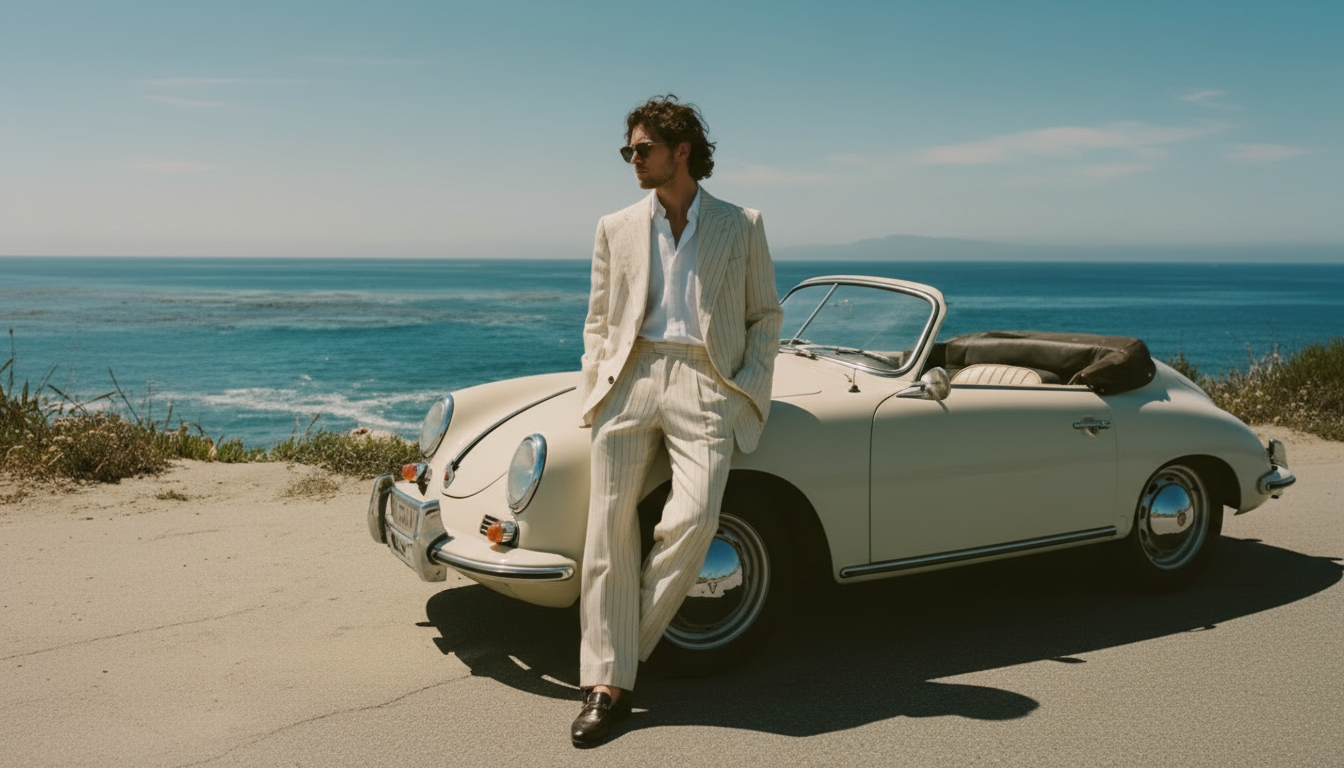
Signature style comes from repeating a few “ingredients” until they read like a pattern. Start with silhouettes: choose 2–3 go-to shapes you love and will actually wear (straight-leg pants and a structured blazer; wide-leg jeans and a fitted tee; a midi skirt and a crisp button-down).
Then choose a color strategy. Pick a base palette (2–4 neutrals) plus 2 accent colors. Repetition creates cohesion fast, and color can influence mood and perception—worth considering when choosing a palette. For a deeper look at the topic, see this review: Color and psychological functioning.
| Where | Formula | Easy upgrades |
|---|---|---|
| Work | Tailored pants + knit top + blazer + loafers + watch | Add a silk scarf or switch to pointed flats |
| Casual | Straight jeans + fitted tee + oversized button-down + sneakers + hoops | Swap sneakers for ankle boots; add a belt |
| Social | Midi dress + cropped jacket + minimal heels + clutch | Add bold lipstick; swap jacket for a trench |
If a more structured system helps you stay consistent, the How to Create a Style People Recognize – 3-in-1 Digital Bundle on how to develop a signature style | Fashion Identity, Personal Styling Checklist & Developing a Signature Style is designed to clarify your fashion identity, guide your daily checklist, and map repeatable outfit direction you can revisit each season.
For anyone who tends to overbuy, second-guess outfits, or feel scattered across too many aesthetics, pairing a guided tool with a 30-minute closet edit and three outfit formulas can create fast momentum. If confidence is the real bottleneck, the Inner Strength Growth Pack: 5-in-1 Bundle for Building Confidence and Self-Belief can support the mindset side of showing up consistently.
Most people can define identity words, a palette, and 2–3 outfit formulas in 2–4 weeks. It usually takes 2–3 months of repeating and refining outfits to pinpoint what truly feels like “you,” with small seasonal updates after that.
Yes—your core can stay stable (palette, silhouettes, signature details) while trends show up as small updates, like one seasonal color, one accessory shape, or one current shoe style. Life changes can shift your formulas (work-to-remote, new climate, new role) without erasing your identity.
That usually means the wardrobe lacks cohesion or you’re missing outfit formulas. Edit using your identity words, tighten your color palette, and make sure each category (tops, bottoms, layers, shoes) supports at least three complete outfits you’d actually wear this week.










Leave a comment